“Late Spring 1949” is a Japanese film that tells the story of a father and daughter’s relationship as they navigate life’s changes. The movie focuses on the beauty and fragility of cherry blossoms, a metaphor for the fleeting nature of youth and life itself. Through their interactions, we see the daughter’s struggle to break free from her father’s protective hold and find her own path, all while facing societal pressures to conform. The film captures both the beauty and sadness of growing up and letting go.
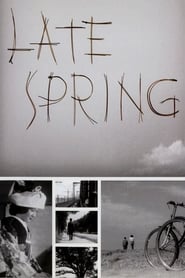
CLICK HERE⭭⭭⭭🎫_Watch Late Spring 1949 English Subtitles_
Review
Late Spring: An Engaging and Thought-Provoking Film
Late Spring is a classic Japanese film directed by Yasujirō Ozu in 1949. It tells the story of a father and daughter’s relationship as they navigate the changes in their lives. The film has been praised for its simple yet powerful storytelling, beautifully crafted shots, and timeless themes that continue to resonate with audiences today.
Storyline and Plot
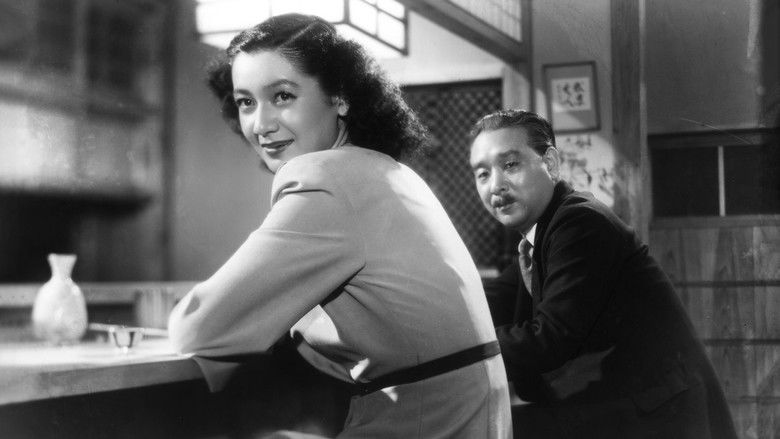
The film follows Noriko (Setsuko Hara), a young woman who lives with her widowed father (Chishū Ryū) in post-World War II Japan. Her father is convinced that it is time for Noriko to marry, but she is hesitant to leave him alone. When her aunt tries to set her up with a potential suitor, Noriko reluctantly agrees but hopes that she can convince him to let her stay with her father.
As the film progresses, we see Noriko begin to question her relationship with her father and consider the possibility of marriage. Meanwhile, her father grapples with his own loneliness and desire to see his daughter happy.
Casts and Characters
The performances in Late Spring are excellent across the board. Setsuko Hara’s portrayal of Noriko is incredibly subtle and nuanced, conveying a range of emotions through small gestures and facial expressions. Chishū Ryū provides a solid anchor for the film as Noriko’s father, bringing depth and complexity to what could have been a one-note character.
History and Popularity
Late Spring was released in 1949, shortly after World War II had ended. At the time, Japan was still recovering from the devastation of war, and many films sought to address the social issues facing the country. Late Spring was no exception; it explored themes such as traditional gender roles, family dynamics, and generational divides.
Despite its heavy subject matter, Late Spring received critical acclaim upon its release and has since become a beloved classic of Japanese cinema. The film has been included on numerous “best of” lists and is often cited as one of Ozu’s greatest works.
Filming and Cinematography
Ozu’s directorial style is distinctive and immediately recognizable. He typically uses static shots, low camera angles, and slow movements to create a sense of stillness and contemplation. Late Spring is no exception; the film is filled with carefully composed shots that emphasize the beauty and simplicity of everyday life.
One notable aspect of Ozu’s filming style is his use of color. Late Spring was filmed in black-and-white, but certain scenes are colored using a special tinting process. These colored scenes lend the film an almost dreamlike quality, highlighting key moments and themes.
Evaluation and Awards
Late Spring has received numerous accolades over the years. It won the Kinema Junpo Award for Best Film in 1949 and was nominated for several other awards at the time of its release. In recent years, it has been included on Sight & Sound’s list of the greatest films ever made and has been praised by filmmakers such as Martin Scorsese.
Analysis and Opinion
At its core, Late Spring is a film about the universal human experience of growing older, letting go, and finding meaning in life. Its themes resonate just as strongly today as they did when it was first released over 70 years ago.
The relationship between Noriko and her father is particularly poignant; it captures the bittersweet feeling that comes with watching loved ones grow old and begin to need us less. Through their interactions, we see how difficult it can be to balance our own desires with our responsibilities to others.
Conclusion
Overall, Late Spring is a moving and thought-provoking film that continues to captivate audiences today. Its themes are universal, its performances are outstanding, and its cinematography is unparalleled. Whether you’re a fan of Japanese cinema or simply looking for a powerful and emotional film, Late Spring is not to be missed.
Technical Data
- Runtime : 110
- Release : 1949-09-13
- Genre : Drama
- Cast : Chishū Ryū as Shukichi Somiya, Setsuko Hara as Noriko Somiya, Yumeji Tsukioka as Aya Kitagawa, Haruko Sugimura as Masa Taguchi, Hohi Aoki as Katsuyoshi
- Crew : Yasujirō Ozu as Screenplay, Yasujirō Ozu as Director, Kōgo Noda as Screenplay, Kazuo Hirotsu as Novel, Takashi Kawamata as Camera Operator
- Popularity 11.652
- Budget : 0
- Revenue : 0
- Company : Shochiku
- Summary : Noriko is perfectly happy living at home with her widowed father, Shukichi, and has no plans to marry — that is, until her aunt Masa convinces Shukichi that unless he marries off his 27-year-old daughter soon, she will likely remain alone for the rest of her life. When Noriko resists Masa’s matchmaking, Shukichi is forced to deceive his daughter and sacrifice his own happiness to do what he believes is right.
- Tagline :
